Climate change is leading to a number of health risks, including:
- Increased extreme weather events, such as heat waves, floods, and storms. These events can cause injury, death, and displacement.
- Changes in the distribution of diseases, such as malaria, dengue fever, and Lyme disease. As the climate changes, these diseases are able to spread to new areas, putting more people at risk.
- Increased air pollution, which can lead to respiratory problems, heart disease, and cancer. Air pollution can also worsen the effects of other health conditions, such as asthma and diabetes.
- Impacts on mental health, such as anxiety, depression, and post-traumatic stress disorder (PTSD). These conditions can be caused by a variety of factors related to climate change, such as losing one's home or community, or witnessing extreme weather events.
Communicating the Health Risks of Climate Change
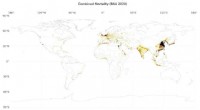
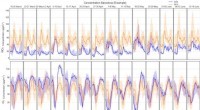
It is important to communicate the health risks of climate change to the public in order to increase support for climate action. One way to do this is to focus on the specific health risks that people in a particular area or community are likely to face. Another way to effectively communicate is through the use of visuals such as maps or charts highlighting where and how certain communities are disproportionately affected. This can make the issue feel more relevant and personal for a larger audience.
Finally, it is important to emphasize that addressing climate change is not just about protecting the environment—it is also about protecting human health.
By emphasizing the health risks, it is likely that more people will understand climate change as a global human health emergency deserving of greater commitment, resources, and action.