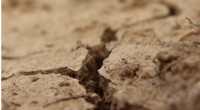
Plants have several mechanisms to survive droughts. These mechanisms include:
* Water storage: Plants store water in their roots, stems, and leaves. This water can be used during dry spells to keep the plant alive.
* Reduced water loss: Plants can reduce water loss by closing their stomata (small pores on the surface of leaves that allow for gas exchange). This helps to prevent water from evaporating from the leaves.
* Drought-tolerant plants: Some plants are naturally more tolerant of drought than others. These plants have deep roots that can reach water deep in the soil, and they have leaves that are thick and waxy to help prevent water loss.
Extreme rainfall
Plants can also be damaged by extreme rainfall. This damage can be caused by:
* Flooding: Flooding can drown plants and damage their roots.
* Erosion: Heavy rainfall can cause erosion, which can wash away soil and expose plant roots.
* Disease: High levels of moisture can create conditions that are ideal for the growth of fungi and bacteria, which can cause plant diseases.
Plants have several mechanisms to survive extreme rainfall. These mechanisms include:
* Flood tolerance: Some plants are tolerant of flooding and can survive being submerged in water for long periods of time. These plants have special structures that allow them to breathe underwater, and they have roots that can withstand being waterlogged.
* Drought tolerance: Some plants that are tolerant of drought are also tolerant of extreme rainfall. These plants can survive the dry periods that often follow heavy rains.
* Disease resistance: Some plants are resistant to the diseases that can be caused by high levels of moisture. These plants have natural chemical defenses that help to protect them from disease.