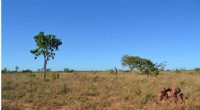
In the vast expanse of Africa, where hunger and malnutrition continue to be pressing concerns, one remarkable shrub is emerging as a beacon of hope: Moringa Oleifera. Indigenous to the continent's arid regions, Moringa has proven to be a resilient plant capable of thriving in challenging environments and providing sustenance to communities facing food insecurity.
1. Nutritional Powerhouse:
Moringa Oleifera, commonly referred to as the "Miracle Tree," is a veritable treasure of nutrients. Every part of the plant, including the leaves, flowers, seeds, and pods, is edible and offers exceptional nutritional value.
a) Leaves: Moringa leaves hold an impressive nutritional profile. They are packed with vitamins A, C, and B-complex, as well as essential minerals like iron, calcium, potassium, and magnesium. This nutrient-rich blend supports overall health, boosts the immune system, and combats micronutrient deficiencies.
b) Seeds: Moringa seeds contain a high concentration of oil that is rich in unsaturated fatty acids, essential for heart health. Additionally, the seeds serve as a valuable protein source, providing the body with essential amino acids.
2. Drought Resistance and Resilience:
Moringa's ability to thrive in dry conditions makes it an ideal crop for regions plagued by drought and desertification. The plant's taproots can penetrate deep into the ground, enabling it to access water sources unreachable by other plants. This adaptability ensures that Moringa remains productive even during prolonged dry spells, offering communities a reliable source of nutrition during challenging times.
3. Fast Growth and Yield:
Moringa Oleifera grows rapidly, reaching maturity within a few months after planting. This quick growth cycle translates into multiple harvests throughout the year. The plant's yield is also substantial, with each tree producing a large quantity of leaves, flowers, and seeds. Farmers can use this abundance to meet their family's needs and generate an income through local markets.
4. Combating Malnutrition:
Hunger and malnutrition remain significant hurdles to development in Africa. Moringa's nutrient-rich leaves can serve as a natural supplement, especially for vulnerable groups like pregnant women and young children. The leaves are easily incorporated into various recipes and can be consumed as a powder, soup ingredient, or in stews.
5. Economic Empowerment:
Moringa cultivation has the potential to empower African communities economically. With the growing demand for Moringa products, establishing Moringa farms and processing facilities can provide employment opportunities and boost local economies. Empowering communities to cultivate and process Moringa sustainably contributes to food security and poverty alleviation efforts.
6. Environmental Benefits:
Moringa cultivation not only combats hunger but also contributes to environmental sustainability. The plant's deep root system helps prevent soil erosion, and it requires minimal water and fertilizers. By promoting Moringa as a staple food crop, communities can reduce their reliance on unsustainable practices that degrade the environment.
Conclusion:
Moringa Oleifera, the resilient shrub native to Africa, holds tremendous potential in the fight against hunger and malnutrition. Its nutritional prowess, adaptation to tough environments, fast growth rate, and economic viability make it a promising solution for food insecurity challenges. Embracing Moringa cultivation and utilization can transform lives, support communities, and contribute to a more sustainable and prosperous future for Africa.