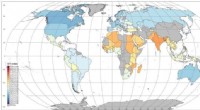
This means that invasive plants could become even more widespread in the future, as the climate continues to warm. This could have a devastating impact on native species, which could be outcompeted for resources and eventually driven to extinction.
The study's authors looked at the effects of climate change on two invasive plant species: the common reed (Phragmites australis) and the smooth cordgrass (Spartina alterniflora). They found that both species were able to grow faster and produce more seeds in warmer temperatures. The common reed was also able to survive in drier conditions.
The authors of the study say that their findings are a warning that climate change could make invasive plants even more of a threat to native species. They call for more research to be done on the effects of climate change on invasive plants, so that we can better understand the risks and develop strategies to mitigate them.
Invasive plants are a major threat to native species around the world. They can outcompete native species for resources, such as water, sunlight, and nutrients. They can also spread diseases and parasites to native species. Invasive plants can also alter the structure and function of ecosystems, which can have negative impacts on native species.
Climate change is making the problem of invasive plants even worse. As the climate warms, invasive plants are able to grow faster and spread more easily. They are also more likely to survive in drier conditions, which means that they can invade new areas that were previously too dry for them to survive.
The study's authors say that their findings are a warning that we need to take action to address the problem of invasive plants. They call for more research to be done on the effects of climate change on invasive plants, so that we can better understand the risks and develop strategies to mitigate them. They also call for more resources to be put into controlling the spread of invasive plants.