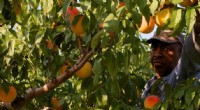
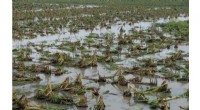
Dicamba drift can cause damage to susceptible plants, including soybeans, tomatoes, grapes, and peaches. Symptoms of dicamba drift can include leaf cupping, twisting, and yellowing; stunting; and reduced yields.
There are a number of factors that can affect the amount of dicamba drift that occurs, including:
* The volatility of the dicamba formulation. Some dicamba formulations are more volatile than others.
* The weather conditions. Dicamba drift is more likely to occur when the weather is hot, dry, and windy.
* The application method. Dicamba drift can be reduced by using a low-drift nozzle and by applying the herbicide in the evening or at night.
Farmers can also take steps to reduce the risk of dicamba drift by:
* Following the label directions. The herbicide label will specify the application rate, timing, and method that should be used to minimize the risk of drift.
* Using a drift buffer zone. A drift buffer zone is an area of land that is left unplanted around the edge of a field. This can help to trap dicamba vapors and prevent them from drifting off-target.
* Communicating with neighbors. Farmers should communicate with their neighbors about their plans to apply dicamba. This can help to avoid conflicts if dicamba drift does occur.
Dicamba drift is a serious problem that can cause damage to susceptible crops and plants. By following these steps, farmers can help to reduce the risk of dicamba drift and protect their crops.