1. Rising temperatures: Climate change leads to increased global temperatures, which cause warmer and drier conditions, making forests more susceptible to wildfires. Higher temperatures also increase the evaporation of water from plants and soil, reducing moisture content and creating more flammable vegetation.
2. Changes in precipitation patterns: Climate change affects precipitation patterns, leading to longer droughts and less frequent but heavier rainfall events. These changes alter the natural fire cycle, as the prolonged dry periods dry out vegetation, making it more likely to catch fire and burn intensely when ignited.
3. Changes in vegetation: Shifts in climate conditions can alter vegetation types and distribution, affecting the fuel available for wildfires. For example, the expansion of invasive plant species that are more flammable can increase the risk of wildfires. Additionally, changes in vegetation density and structure can influence fire behavior and make it harder to control.
4. Amplified fire weather conditions: Climate change can lead to more frequent and severe fire weather conditions, including strong winds, low humidity, and high temperatures. These conditions create an environment that is conducive to the rapid spread of wildfires and make it challenging for firefighters to contain them.
5. Human activities and land use changes: Human activities, such as agriculture expansion, urbanization, and deforestation, can contribute to increased fire risk. These changes alter natural ecosystems, fragment landscapes, and create more fuel sources for fires. Additionally, human-caused ignitions, such as discarded cigarettes, campfires, and power lines, can spark wildfires that can spread rapidly under favorable climatic conditions.
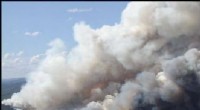
In Chile specifically, these factors have contributed to the increased frequency and severity of wildfires in recent years. The country has experienced a series of devastating wildfires, including the 2017 central Chile wildfires that destroyed thousands of homes and caused significant damage to infrastructure and ecosystems. These wildfires highlighted the urgent need to address the impacts of climate change and improve forest management and preparedness strategies to reduce the risk of future wildfires.