* Sea levels: The sea levels during the last Ice Age were much lower than they are today, exposing land bridges between Australia and New Guinea, as well as between Australia and Tasmania. This allowed people to walk across these land bridges, bringing their culture and technology with them.
* Rivers and lakes: The rivers and lakes that formed as the ice sheets melted provided important water sources for people and animals, and also served as natural highways for travel and trade.
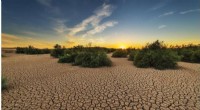
* Climate change: The changing climate also affected the availability of food resources, forcing people to move to new areas in search of food. For example, the drying out of the Australian interior around 10,000 years ago forced people to move to the coast and river valleys, where food and water were more plentiful.
These are just a few of the ways that evolving landscapes impacted the migration patterns of First Peoples into Australia. The complex interaction between humans and their environment has shaped the history of Australia and its people for thousands of years.
Here are some specific examples of how evolving landscapes impacted the migration patterns of First Peoples into Australia:
* The Bass Strait land bridge: The Bass Strait land bridge connected Tasmania and mainland Australia until about 10,000 years ago. This land bridge allowed people to walk from Tasmania to mainland Australia and vice versa, facilitating the exchange of culture and technology between the two regions.
* The Murray River: The Murray River is the longest river in Australia, and it has played a vital role in the migration and settlement of the Australian continent. The river provided a source of water and food for people and animals, and it also served as a natural highway for travel and trade.
* The Great Barrier Reef: The Great Barrier Reef is one of the largest and most complex coral reef systems in the world, and it has had a profound impact on the migration and settlement of the Australian coast. The reef provided a rich source of food for people, including fish, shellfish, and sea turtles, and it also served as a natural barrier against storms and waves.
These are just a few examples of the many ways that evolving landscapes impacted the migration patterns of First Peoples into Australia. The complex interaction between humans and their environment has shaped the history of Australia and its people for thousands of years.