1. Altered Phenology:
- Climate change disrupts the timing of natural events, such as flowering, migration, and hibernation.
- This can lead to mismatches between the availability of food and the life cycles of organisms that depend on it.
- For example, if plants flower earlier due to warmer temperatures, but pollinators emerge later due to cooler conditions, pollination and seed production can be negatively affected.
2. Range Shifts:
- Species may shift their geographic ranges to adapt to changing climate conditions.
- This can disrupt the interactions between species and alter the composition of local food chains.
- For example, if a predator species moves into a new area, it may prey on native species that are not adapted to its presence, disrupting the food chain balance.
3. Resource Scarcity:
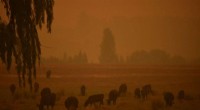
- Unpredictable weather patterns, such as droughts, floods, and extreme temperatures, can affect the availability and quality of food resources.
- For example, if a drought reduces water availability, plants may experience stress, leading to reduced biomass and fewer seeds or fruits. This scarcity of resources can impact herbivores and subsequently the predators that rely on them.
4. Changes in Interactions:
- Climate change can alter the interactions between species within a food chain.
- For instance, if a certain plant species becomes more abundant due to altered conditions, it might attract more herbivores, leading to increased predation pressure on other herbivore species.
5. Disease and Parasite Shifts:
- Climate change can influence the distribution and spread of diseases and parasites.
- Some diseases and parasites that were previously limited to certain regions may expand their range, affecting new populations and disrupting food chains.
Overall, unpredictable seasons brought about by climate change pose challenges to the stability and resilience of food chains. However, the specific impacts can vary depending on the ecosystem, species interactions, and the nature of the seasonal changes experienced.