Introduction:
Climate change and global warming have far-reaching effects on our planet, and one of the most significant consequences is the disruption of rainfall patterns. Recent research has shed light on how global warming alters precipitation levels, distribution, and intensity, resulting in extreme weather events and impacting ecosystems, agriculture, and human societies. This article explores the key findings of these studies and discusses the implications of changing rainfall patterns for our planet.
Disrupted Precipitation Cycles:
Global warming leads to the increased evaporation of water from the Earth's surface due to higher temperatures. This excess moisture accumulates in the atmosphere, causing more frequent and intense rainfall in some areas while leading to droughts and decreased precipitation in others. The disruption of natural precipitation cycles can have devastating effects on ecosystems, water resources, and agricultural productivity.
Changes in Rainfall Distribution:
Research indicates that global warming alters the distribution of rainfall globally. Wetter regions tend to get wetter, while drier regions become even drier. This uneven distribution of precipitation exacerbates existing water shortages and leads to conflicts over water resources. Megacities and densely populated regions are particularly vulnerable, facing increased flooding risks and water scarcity.
Extreme Weather Events:
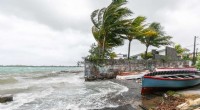
One of the most concerning consequences of disrupted rainfall patterns is the increased occurrence of extreme weather events. Rising temperatures and altered atmospheric conditions contribute to more intense storms, hurricanes, and floods, causing widespread damage, loss of life, and economic disruptions. These events strain infrastructure, displace communities, and pose significant challenges to disaster management and recovery efforts.
Implications for Agriculture and Food Security:
Changing rainfall patterns have profound implications for agriculture and food security. Droughts and erratic precipitation can damage crops, reduce yields, and disrupt food production in vulnerable regions. Farmers face uncertainties in planning planting and harvesting seasons, leading to potential food shortages and price fluctuations. The livelihoods and food security of millions of people, especially in developing countries, are at risk due to these disruptions.
Ecological Imbalances:
The alteration of rainfall patterns also disrupts ecosystems and biodiversity. Changes in the timing, duration, and intensity of precipitation affect plant growth, water availability for wildlife, and the overall ecological balance. Loss of habitat, reduced biodiversity, and increased species vulnerability threaten the resilience of ecosystems, impacting the delicate web of life on our planet.
In conclusion, global warming is having a significant impact on rainfall patterns, resulting in extreme weather events, altered precipitation distribution, and disruptions to agriculture, ecosystems, and human societies. Understanding these changes and implementing adaptation strategies is crucial to mitigate the consequences of global warming on rainfall and ensure the sustainability and resilience of our planet.