Introduction:
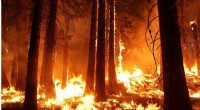
South Africa is prone to wildfires, and their frequency and intensity are likely to increase due to climate change. These fires pose significant threats to ecosystems, human lives, and livelihoods. While various efforts are underway to prevent and mitigate wildfires, legal action can play a crucial role in driving improved adaptation strategies and reducing wildfire risks in the country. This article examines how South Africa can leverage legal frameworks to enhance preparedness, management, and response measures for wildfires.
1. Strengthening Fire Management Policies and Laws:
a) Clear Framework: Develop a comprehensive national wildfire management policy and legislation that clearly outlines roles and responsibilities of stakeholders involved in wildfire prevention, suppression, and post-fire recovery.
b) Enforce Existing Regulations: Ensure effective enforcement of existing environmental regulations related to land use planning, vegetation management, and fire safety. This includes measures to prevent the accumulation of hazardous vegetation and to create defensible spaces around communities.
2. Promoting Fire-Resistant Landscaping:
a) Landscaping Guidelines: Introduce guidelines for fire-resistant landscaping that emphasize the use of non-flammable plant species and proper maintenance of vegetation in vulnerable areas.
b) Building Codes: Review building codes to incorporate requirements for fire-resistant construction materials and design features, especially in high-risk wildfire zones.
3. Land-Use Planning and Wildfire Risk Assessment:
a) Risk Mapping: Develop detailed wildfire risk maps to guide land-use planning decisions. These maps should identify areas with high wildfire potential and guide the zoning of development projects accordingly.
b) Environmental Impact Assessments: Ensure that environmental impact assessments for new developments consider wildfire risks and propose adequate mitigation measures.
4. Community Engagement and Education:
a) Public Awareness: Implement public education programs to raise awareness about wildfire risks and responsible behaviors during high-risk periods.
b) Community Fire Plans: Encourage communities to develop their own fire plans that include emergency evacuation routes, safety measures, and cooperation with local authorities.
5. Legal Remedies for Fire-Related Damages:
a) Liability Frameworks: Clarify legal liability for wildfires caused by negligence or failure to comply with regulations. This can encourage responsible behavior and accountability.
b) Compensation Mechanisms: Establish legal mechanisms for victims of wildfires to seek compensation for damages caused by negligence or intentional acts.
6. International Cooperation and Knowledge Sharing:
a) Collaboration: Foster international cooperation and knowledge-sharing with countries that have experience managing wildfires. This includes adopting successful strategies and technologies for early detection, rapid response, and post-fire recovery.
b) Access to Resources: Pursue international agreements to secure financial assistance, specialized equipment, and expertise from developed nations to support wildfire management efforts in South Africa.
Conclusion:
Wildfires pose a growing threat to South Africa, but legal action can be a powerful tool for adaptation and risk mitigation. By implementing robust fire management policies, enforcing regulations, and promoting fire-resistant practices, the country can reduce the vulnerability of communities and ecosystems to wildfire disasters. Engaging with communities, assessing environmental impacts, and holding accountable those responsible for negligence can further contribute to a safer and more resilient future. Combining legal frameworks with scientific knowledge, technology, and international cooperation will enable South Africa to adapt effectively to the rising challenges of wildfires in a changing climate.