Here's how the race for nature photos on social media can harm ecosystems and hasten species extinction:
1. Habitat Destruction:
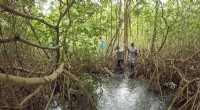
Photographers often venture off designated trails to achieve unique perspectives, leading to habitat destruction. Trampling on plants can damage their roots and hinder their growth, while disturbing animals' nests can lead to abandonment or predation of eggs and young.
2. Stress on Wildlife:
The constant presence of photographers can stress wildlife, disrupt natural behaviors, and alter their delicate ecosystems. Animals may avoid certain areas or change their feeding and nesting patterns, impacting their survival and reproductive success.
3. Spread of Invasive Species:
Photographers may inadvertently carry seeds or spores of invasive plants attached to their clothing or equipment. These invasive species can outcompete native plants, disrupting the ecosystem's balance and affecting the survival of local species.
4. Overcrowding and Pollution:
Popular nature photography spots often attract large crowds, leading to overcrowding and pollution. The increased human activity can further stress wildlife and degrade the environment.
5. Illegal Activities:
The pursuit of unique shots sometimes encourages unethical or illegal activities, such as entering restricted areas or disturbing wildlife for a closer photograph. These actions not only harm the environment but also contribute to the persecution of endangered species.
6. Rapid Extinction:
In cases where photographs reveal the exact locations of rare species or their nesting sites, it can make them vulnerable to poaching and illegal collection, potentially accelerating their decline and contributing to rapid extinction.
7. Uninformed Public:
Some nature photographers share stunning images without providing adequate context or information. This can mislead the public, creating the impression that certain species are thriving when they may be critically endangered.
To prevent the negative impacts of nature photography, responsible practices should be adopted:
1. Education:
Educating photographers about the potential harm they can cause and promoting ethical photography practices is crucial.
2. Guidelines:
Establishing clear guidelines and regulations for nature photography in sensitive areas can help minimize disturbance to wildlife and ecosystems.
3. Awareness:
Raising awareness about the consequences of irresponsible photography can encourage photographers to reflect on their actions and adopt sustainable practices.
4. Ethical Practices:
Photographers should prioritize the conservation of nature over capturing the perfect shot. This means staying on designated trails, avoiding sensitive habitats during critical seasons, and using non-invasive methods.
5. Reporting:
Encouraging photographers to report illegal or unethical activities they witness can help protect wildlife and ecosystems from harm.
6. Responsible Sharing:
Nature photographers should provide accurate and informative captions that educate viewers about conservation efforts and potential threats.
By striking a balance between capturing the beauty of nature and protecting it, responsible nature photography can contribute positively to conservation and ensure that future generations can appreciate and enjoy the natural world.