Environmental Value:
- Habitat for Marine Life: Waves create dynamic environments that support a rich diversity of marine life. The constant motion and oxygenation provided by waves are crucial for the survival of various aquatic species.
- Erosion and Sediment Transport: Waves play a vital role in shaping coastlines and transporting sediments. They contribute to the formation of beaches and dunes, which provide natural protection against coastal erosion and storm surges.
- Water Quality: Waves help mix and circulate coastal waters, preventing stagnation and promoting water clarity. This improved water quality benefits both marine life and human activities such as swimming and fishing.
Economic Value:
- Tourism and Recreation: Surfing, swimming, and other water sports associated with waves generate significant revenue for coastal communities through tourism. These activities attract visitors and support local businesses such as hotels, restaurants, and surf shops.
- Fishing and Aquaculture:Waves are crucial for the success of fishing and aquaculture industries. They help disperse fish larvae and provide suitable conditions for growth and reproduction.
- Energy Production: Waves can be harnessed as a renewable energy source through wave energy technologies, providing clean and sustainable power.
Human Well-Being Value:
- Physical and Mental Health: Engaging in wave-related activities like surfing, swimming, and beach walking has numerous physical and mental health benefits. These activities promote cardiovascular fitness, reduce stress, improve mood, and foster a sense of well-being.
- Cultural and Spiritual Significance: Waves hold cultural and spiritual significance for many coastal communities. They are often associated with traditional practices, ceremonies, and folklore, creating a deep emotional connection between humans and the ocean.
Impact of Climate Change on Waves:
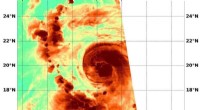
Climate change can significantly impact wave patterns and coastal ecosystems. Rising sea levels, increasingly frequent and intense storms, and changes in ocean currents can alter wave characteristics and have several adverse effects:
- Beach Erosion: Increased wave energy due to rising sea levels and stronger storms can accelerate beach erosion, leading to the loss of sandy beaches and damage to coastal infrastructure.
- Loss of Marine Habitat: Changes in wave patterns can disrupt marine ecosystems, affecting the distribution and abundance of species dependent on wave-generated habitats.
- Increased Flooding and Storm Damage: Larger waves and storm surges can cause more frequent and severe flooding in coastal areas, resulting in property damage, infrastructure disruption, and loss of lives.
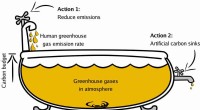
Protecting and managing our coastline is essential to preserving the value of waves and mitigating the negative impacts of climate change. This can be achieved through various strategies, including coastal restoration projects, sustainable land use planning, and implementing measures to reduce greenhouse gas emissions. By safeguarding our coastline, we can continue to enjoy the environmental, economic, and human well-being benefits that waves provide.