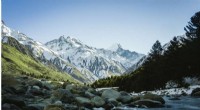
Natural regeneration is the process by which a forest grows back after a disturbance, such as a fire, flood, or logging. In Europe, natural regeneration is the most common way that forests regenerate. This is because the climate is conducive to tree growth, and there are few natural predators of trees.
The process of natural regeneration begins with the dispersal of seeds. Trees produce seeds that are dispersed by wind, animals, or gravity. When a seed lands in a suitable location, it will germinate and begin to grow into a new tree.
The seedlings that emerge from the seeds will need to compete with other plants for sunlight, water, and nutrients. The seedlings that are most successful in this competition will survive and grow into mature trees.
The rate of natural regeneration can vary depending on the species of tree, the climate, and the soil conditions. In some cases, it can take many years for a forest to regenerate after a disturbance.
Assisted regeneration
Assisted regeneration is the process of helping a forest to regenerate by planting trees or by sowing seeds. This is sometimes done when natural regeneration is not occurring at a fast enough rate, or when there is a need to plant a specific type of tree.
Assisted regeneration can be a successful way to restore forests, but it is important to use the right techniques and to select the right species of trees. If done incorrectly, assisted regeneration can actually damage the forest ecosystem.
Here are some of the benefits of natural regeneration:
* It is a cost-effective way to regenerate forests. Natural regeneration does not require the purchase of seedlings or the use of heavy machinery.
* It is a sustainable way to regenerate forests. Natural regeneration ensures that the genetic diversity of the forest is maintained.
* It is a resilient way to regenerate forests. Naturally regenerated forests are more resistant to pests and diseases.
Here are some of the benefits of assisted regeneration:
* It can speed up the process of forest regeneration. Assisted regeneration can be used to plant trees in areas where natural regeneration is not occurring at a fast enough rate.
* It can be used to plant specific types of trees. Assisted regeneration can be used to plant trees that are desired for their timber, fruit, or other products.
* It can be used to create new forests. Assisted regeneration can be used to create new forests in areas where there are no existing forests.
The decision of whether to use natural regeneration or assisted regeneration depends on the specific situation. In some cases, natural regeneration is the best option, while in other cases, assisted regeneration is more appropriate.