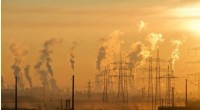
One of the most important factors contributing to the extreme fire seasons in the West is climate change. Climate change is causing the average temperature of the Earth to increase, which is leading to drier and hotter conditions. These conditions are ideal for wildfires to start and spread.
Another factor contributing to the extreme fire seasons in the West is the increase in human development in fire-prone areas. More and more people are building homes in areas that are close to forests and grasslands, which are more likely to burn. This puts people and property at risk, and it can also make wildfires more difficult to fight.
The combination of climate change and increased human development is creating a perfect storm for extreme fire seasons in the West. These fires are becoming more frequent, more severe, and more destructive.
In order to address the problem of extreme fire seasons, we need to take action to reduce climate change and to reduce the amount of human development in fire-prone areas. We also need to improve our ability to fight wildfires. This includes investing in firefighting resources and developing new strategies to fight fires.
The extreme fire seasons that we are seeing in the West are a wake-up call. We need to take action now to prevent these fires from becoming even more devastating in the future.
Here are some specific examples of how extreme fire seasons and 2,500 years of forest history can inform our understanding of future wildfires in the West:
* The 1910 Great Fire of Idaho burned over 3 million acres and killed 85 people. This fire was caused by a combination of factors, including high temperatures, drought, and high winds. The fire was so intense that it created its own weather, with winds gusting up to 60 miles per hour and temperatures reaching over 1,200 degrees Fahrenheit.
* The 1988 Yellowstone Fires burned over 1.2 million acres in Yellowstone National Park. These fires were caused by naturally occurring lightning strikes. However, the fires were also influenced by the drought conditions and the lack of forest management in the park. The fires had a significant impact on the park's ecosystem, and it is still recovering from the damage.
* The 2018 Camp Fire burned over 150,000 acres and destroyed the town of Paradise, California. This fire was caused by a faulty power line. The fire spread rapidly due to the dry conditions and the high winds. The Camp Fire was the deadliest wildfire in California history, killing 85 people.
These are just a few examples of the many extreme fire seasons that have occurred in the West over the past century. These fires have had a significant impact on the region, and they have taught us a lot about the importance of forest management and fire prevention.
By understanding the history of fire in the West, we can better predict how future wildfires will behave. This knowledge can help us to develop strategies to prevent and fight wildfires, and to protect our communities from the devastating effects of these fires.