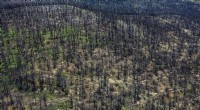
1. Overgrazing: Horses and burros consume large amounts of vegetation, which can lead to overgrazing and damage to native plant communities. This can have a ripple effect on the entire ecosystem, since plants provide food and shelter for other animals.
2. Competition with native species: Horses and burros compete with native species for food and resources, such as water and shelter. This can lead to the decline or even extinction of native species.
3. Damage to habitats: Horses and burros can damage habitats by trampling vegetation, creating trails and wallows, and disturbing soil. This can make it difficult for native plants and animals to survive.
4. Spread of disease: Horses and burros can transmit diseases to native species, which can have a devastating impact on wildlife populations.
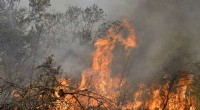
5. Alteration of fire regimes: Horses and burros can alter fire regimes by changing the fuel load and vegetation structure. This can lead to more frequent and severe wildfires, which can damage ecosystems and pose a risk to human communities.
6. Erosion: Horses and burros can cause soil erosion by trampling vegetation and creating trails and wallows. This can lead to loss of topsoil, which can reduce the productivity of ecosystems.
7. Water quality degradation: Horses and burros can pollute water sources by defecating and urinating in them. This can make the water unsafe for drinking, bathing, and other uses.