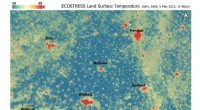
1. Increasing Temperatures: Anza-Borrego is experiencing a warming trend, with average annual temperatures rising by about 2 degrees Celsius since the late 19th century. Higher temperatures are causing heat stress on plants and animals, leading to changes in their distribution and survival.
2. Shifts in Plant and Animal Life: The changing climate is causing shifts in the distribution and abundance of plant and animal species in the park. Some species, such as desert bighorn sheep and Joshua trees, are particularly vulnerable to increasing temperatures and changes in water availability.
3. Droughts and Water Scarcity: Climate change is leading to more frequent and prolonged droughts in the Anza-Borrego region. Reduced water availability is impacting plant growth, wildlife habitats, and the availability of water for human use.
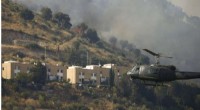
4. Increased Fire Risk: Higher temperatures, drier conditions, and longer fire seasons are increasing the risk of wildfires in the park. Frequent fires can damage ecosystems, destroy habitats, and pose safety risks for visitors and neighboring communities.
5. Impacts on Visitor Experience: Climate change-related factors, such as extreme heat, limited water availability, and increased fire risk, can make outdoor recreation in the park more challenging and less enjoyable for visitors.
Actions to Address Climate Change Impacts in Anza-Borrego Desert State Park:
1. Conservation Efforts: Implement conservation strategies to protect and enhance the park's natural resources, such as water conservation, habitat restoration, and sustainable land management practices.
2. Monitoring and Research: Continue monitoring the effects of climate change on the park's ecosystems, plant and animal life, and visitor experience to inform management and adaptation strategies.
3. Climate Adaptation: Develop and implement climate adaptation plans that focus on building resilience to the impacts of climate change, including extreme heat, droughts, wildfires, and shifts in biodiversity.
4. Education and Outreach: Raise awareness among park visitors, local communities, and the general public about the impacts of climate change on Anza-Borrego and encourage responsible behaviors that minimize further environmental damage.
5. Collaboration and Partnerships: Collaborate with other agencies, organizations, and stakeholders to address the challenges posed by climate change and develop effective adaptation strategies that benefit both the park and the surrounding areas.
By implementing these and other measures, Anza-Borrego Desert State Park can enhance its resilience to climate change, protect its natural resources, and ensure that future generations continue to enjoy this unique desert landscape.