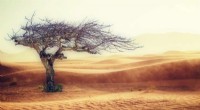
The Doñana Wetlands are a UNESCO World Heritage Site and one of the most important wetlands in Europe. They are home to a wide variety of plants and animals, including many endangered species. However, the wetlands are now in danger of drying up due to climate change and human activity.
Climate Change
Climate change is causing the temperatures in the Doñana region to rise, which is leading to increased evaporation from the wetlands. In addition, the amount of rainfall in the region has decreased, which means that there is less water available to replenish the wetlands.
Human Activity
Human activity is also contributing to the drying up of the Doñana Wetlands. The wetlands are home to a large number of people, who use the water for drinking, irrigation, and other purposes. In addition, the wetlands are also used for agriculture, which can damage the wetland habitat.
The Consequences of Drying Up
The drying up of the Doñana Wetlands would have a devastating impact on the environment. The wetlands provide habitat for a wide variety of plants and animals, many of which are endangered. In addition, the wetlands also help to regulate the climate in the region and provide flood control.
What Can Be Done?
There are a number of things that can be done to help prevent the Doñana Wetlands from drying up. These include:
* Reducing greenhouse gas emissions to slow down climate change
* Increasing the amount of rainfall in the region through cloud seeding or other methods
* Reducing the amount of water used by humans in the region
* Protecting the wetlands from damage by agriculture and other activities
It is important to take action to protect the Doñana Wetlands before it is too late. The wetlands are a valuable part of our natural heritage, and they provide a number of important benefits to the environment and to human society.