1. Altered Temperature and Precipitation Patterns:
- Rising temperatures and changes in precipitation patterns can lead to shifts in vegetation distribution and productivity. Some areas may experience increased growth, while others may face declines due to water stress or extreme weather events.
2. Phenological Changes:
- Climate change can disrupt the timing of plant phenological events, such as leaf emergence, flowering, and fruiting. This can impact the availability of resources for wildlife and disrupt ecosystem interactions.
3. Increased Water Stress:
- Changes in precipitation patterns and increased evaporation due to higher temperatures can lead to water stress for plants. This can limit growth and make vegetation more susceptible to drought and wildfires.
4. Changes in Soil Conditions:
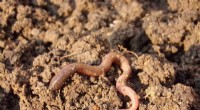
- Climate change can alter soil moisture content, nutrient availability, and pH levels, affecting plant growth and nutrient uptake. Soil degradation can further reduce the potential for vegetation restoration.
5. Spread of Invasive Species:
- Warming temperatures and altered precipitation patterns can create favorable conditions for invasive species, which can outcompete native vegetation and hinder restoration efforts.
6. Increased Frequency of Extreme Events:
- Climate change leads to an increase in extreme weather events such as droughts, floods, and heatwaves. These events can cause widespread damage to vegetation, set back restoration efforts, and increase the risk of soil erosion.
7. Altered Fire Regimes:
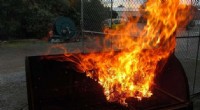
- Changes in temperature and precipitation patterns can influence fire frequency, intensity, and extent. Increased fire risk can damage or destroy restored vegetation and hinder long-term restoration goals.
8. Shifts in Species Composition:
- Climate change can lead to changes in the composition of plant communities. Some species may become more dominant, while others may decline or disappear, impacting biodiversity and ecosystem functioning.
9. Impaired Seed Germination and Dispersal:
- Altered temperature and precipitation patterns can affect seed germination success and dispersal distances, impacting the recruitment of new plants and the regeneration of vegetation.
10. Reduced Carbon Sequestration Potential:
- Climate change can reduce the carbon sequestration potential of restored vegetation due to changes in plant growth, productivity, and decomposition rates, affecting the overall effectiveness of restoration efforts in mitigating climate change.
To address the challenges posed by climate change on vegetation productivity restoration, it is crucial to consider climate change projections and incorporate adaptation strategies into restoration plans. This may involve selecting climate-resilient species, implementing water management practices, diversifying plant communities, and enhancing the resilience of restored ecosystems to withstand climate-related stresses.