1. Reforestation: Planting trees and restoring forests on degraded land can significantly contribute to carbon sequestration. Trees absorb and store carbon dioxide, a potent greenhouse gas, in their biomass, including trunks, branches, leaves, and roots. By increasing forest cover, counties can enhance their carbon sink capacity.
2. Afforestation: Creating new forests where there were previously no trees also helps to expand the county's carbon sink capacity. This can involve planting native species that are adapted to the local climate and soil conditions.
3. Sustainable Forest Management: Implementing sustainable forestry practices can ensure the long-term health and productivity of existing forests. This includes selective harvesting, reforestation after harvesting, and prevention of deforestation. Well-managed forests can act as efficient carbon sinks.
4. Wetland Restoration: Restoring degraded wetlands can help increase carbon sequestration. Wetlands are valuable carbon sinks because they accumulate organic matter in their soils over time. By restoring these ecosystems, counties can enhance their ability to store carbon.
5. Grassland Management: Improved management of grasslands can enhance carbon storage. Implementing practices such as rotational grazing, controlled burning, and avoiding overgrazing can help maintain healthy grasslands that store significant amounts of carbon in their soil and vegetation.
6. Urban Greening: Incorporating vegetation in urban areas through tree planting, green infrastructure, and park restoration can contribute to carbon sequestration. Urban trees and green spaces absorb carbon dioxide and reduce the urban heat island effect.
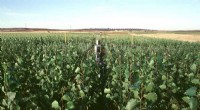
7. Agricultural Practices: Promoting sustainable agricultural practices, such as conservation agriculture, cover cropping, and reduced tillage, can enhance carbon sequestration in agricultural soils. These practices help to maintain soil health and increase carbon storage.
8. Community Involvement: Engaging local communities in ecological restoration efforts can foster a sense of ownership and responsibility towards the environment. This involvement can help ensure the long-term success and sustainability of the restoration projects, leading to increased carbon sinks.
By implementing territorial ecological restoration strategies that include these mechanisms, counties can contribute to mitigating climate change by enhancing carbon sequestration and promoting the overall resilience of their ecosystems.