While it's true that high temperatures can lead to increased evaporation and drier soils in some cases, there are many factors that influence soil moisture levels. These include precipitation, humidity, soil type and structure, vegetation cover, drainage patterns, groundwater levels, and local weather conditions.
Here are a few reasons why soil might get wetter as temperatures rise:
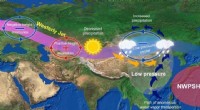
- Increased precipitation: Warmer temperatures can lead to increased precipitation in some areas due to changes in atmospheric circulation patterns and the more rapid release of moisture from the atmosphere into the form of rain or snow. This additional precipitation can result in higher soil moisture content.
- Reduced evapotranspiration: As temperatures increase, evapotranspiration (the combined loss of water from the soil through evaporation and from plant transpiration) may also increase. However, if the increase in precipitation is greater than the increase in evapotranspiration, the net effect can still be an increase in soil moisture content.
- Changes in soil structure: Warmer temperatures can influence soil structure and porosity, which can affect water retention capacity. For example, freezing and thawing cycles in cold climates can create cracks and pores in the soil that allow for better water infiltration and storage.
- Snowmelt: In areas with seasonal snow cover, rising temperatures can cause rapid snowmelt, which can lead to increased soil moisture content.
It's important to consider the specific local conditions and factors that influence soil moisture dynamics in order to understand why soil might get wetter as temperatures rise in a particular region.