1. Aerial Dispersal:
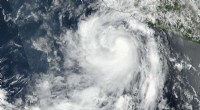
- Atmospheric Transport: Smoke plumes and ash from wildfires can carry microbes high into the atmosphere. These microbes can travel long distances by winds and settle back to the ground either within the burned area or in distant locations.
- Rain-driven Deposition: During post-fire rain events, rainwater serves as a transport medium for microbes that were lofted into the atmosphere. This rain-driven deposition brings diverse microbial communities back to the affected region.
2. Rain splash:
- As raindrops hit freshly burned soils, water droplets scatter soil particles and associated microbes into the air. These dispersed microbes can establish new colonies in nearby areas.
3. Animal-mediated Dispersal:
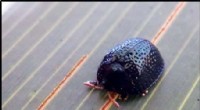
- Insects: Insects, including ants, beetles, and flies, act as vectors for microbial dispersal as they move across and interact with the burned environment. The hairs, exoskeletons, and digestive systems of insects provide suitable habitats for microbes, facilitating their transfer between locations.
- Birds and Mammals: Some bird and mammal species can disperse microbes via their fur or feathers as they move through the burned area.
4. Water-mediated Dispersal:
- Stream and River Flow: Post-fire runoff and increased water flow in streams and rivers can transport microbes from upstream unaffected areas to downstream burned regions. This mode of dispersal is especially significant in areas with significant post-fire precipitation.
5. Soil-mediated Dispersal:
- Root Systems: As plant roots regenerate in the burned area, they extend into deeper soil layers where microbes had survived the fire. This provides a route for microbes to recolonize the surface soils.
- Soil Organisms: Invertebrates and microscopic organisms living in the soil can facilitate the spread of microbes as they move through the soil matrix.
By these various mechanisms, microbes return to the burned landscape and quickly re-establish diverse communities. They accelerate the decomposition of charred organic matter, facilitate nutrient cycling, and initiate soil restoration. Microbes contribute to the recovery of soil health, making it conducive for plant growth and the reestablishment of vegetation. Studying microbial succession after wildfires enriches our understanding of ecosystem resilience and microbial adaptation to extreme environmental conditions.