1. Temperature and Range Expansion:
- Increased global temperatures may expand the geographic range of malaria-carrying mosquitoes to higher altitudes, latitudes, and new regions.
- Warmer temperatures accelerate the development rates and lifespan of mosquitoes, allowing them to transmit malaria more efficiently.
- Mosquitoes may also be able to survive in areas that were previously too cool for their development.
2. Alterations in Rainfall Patterns:
- Changes in rainfall patterns due to climate change may lead to an increase or decrease in the abundance of standing water, which serves as breeding sites for mosquitoes.
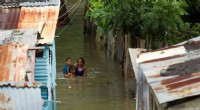
- Increased rainfall and flooding can create more habitats suitable for mosquito breeding. Conversely, droughts may reduce the availability of water bodies and limit mosquito populations.
3. Changes in Vector Behavior:
- Climate change may influence the biting and resting behavior of mosquitoes. Altered temperature and humidity conditions can affect their activity patterns and host-seeking behaviors.
- Mosquitoes may become more active during different times of the day or seasons, increasing the risk of human contact and malaria transmission.
4. Effects on Parasite Development:
- Climate change may affect the development of the malaria parasite within the mosquito (sporogony) and within the human host (schizogony).
- Warmer temperatures can accelerate parasite development and shorten the incubation period, potentially leading to more rapid disease transmission.
5. Host Vulnerability and Immunity:
- Climate change can have indirect effects on malaria transmission by influencing the health status of human populations.
- Altered temperature and precipitation patterns may affect food security, leading to malnutrition and reduced immunity, making individuals more susceptible to malaria infection.
6. Ecosystem Disruptions and Deforestation:
- Climate change-related disruptions in ecosystems, such as deforestation, can alter the habitats of mosquito predators and competitors.
- Loss of natural habitats may disrupt the balance of predator-prey relationships, resulting in increased mosquito populations.
7. Co-Occurrence of Diseases:
- Climate change may also influence the co-occurrence of malaria with other climate-sensitive diseases, such as dengue fever and chikungunya.
- Shifts in the distribution and prevalence of multiple vector-borne diseases can complicate diagnosis, treatment, and control efforts.
It's important to note that the exact impacts of climate change on malaria transmission are complex and may vary regionally. Predictions are based on climate models, ecological studies, and historical data, but uncertainties remain due to the intricate interactions among climate, environmental, and biological factors.