1. Changes in Atmospheric Circulation:
- Changes in the atmospheric circulation, particularly the weakening of the winter monsoon and mid-latitude westerlies, have led to a reduction in the frequency and intensity of dust storms.
- The slowdown of the East Asian summer monsoon has also weakened the upward airflows that would otherwise lift up dust particles from the ground.
2. Changes in Land Surface Conditions:
- Increased vegetation cover and changes in land use patterns, such as afforestation and desertification control measures, have stabilized the soil surface and reduced the availability of dust source materials.
- Improved water management and the expansion of irrigation systems have reduced the amount of bare and dry land, further limiting the potential for dust generation.
3. Changes in Sea Surface Temperatures:
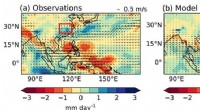
- Changes in sea surface temperatures in the North Pacific Ocean, particularly the warming of the mid-latitude North Pacific, have altered the atmospheric circulation patterns and led to a decrease in dust-favorable wind conditions.
4. Anthropogenic Emissions and Air Quality Improvements:
- Reductions in air pollution, such as particulate matter and black carbon emissions, have led to improved air quality and reduced the amount of dust particles that can serve as nuclei for cloud droplet formation.
- Clean air regulations and the adoption of cleaner energy sources have contributed to this improvement.
The complex interactions between these natural and human-influenced factors have resulted in a significant decline in East Asian dust activity in recent decades. However, it is important to note that dust activity can still experience temporary increases due to episodic weather events or changes in specific local conditions.