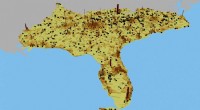
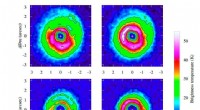
Planets with too little land can be too hot and dry, while those with too much land can be too cold and icy. The ideal balance is one that allows for a wide range of climates and habitats, and that provides enough resources for life to thrive.
In addition to the overall ratio of oceans to land, the distribution of landmasses is also important. For a planet to be habitable, it needs to have at least one large continent that is located near the equator. This continent should be large enough to support a diverse range of habitats, and it should be located in a region that receives enough sunlight to sustain life.
The distribution of oceans is also important. The planet should have at least one large ocean basin that is located near the equator. This ocean basin should be large enough to regulate the planet's climate, and it should be located in a region that is not too close to any major landmasses.
By taking into account the ratio of oceans to land and the distribution of landmasses, we can begin to identify planets that may be habitable. These planets are more likely to have the right conditions for life to thrive.