Shame:
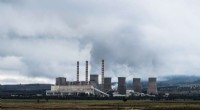
Rationale: Many people may feel a sense of shame or guilt due to the role humans have played in contributing to climate change through activities such as fossil fuel burning, deforestation, and overconsumption.
- They may perceive these actions as irresponsible and feel a personal connection to the harm caused to the environment and future generations.
- Shame can prompt some to change their behavior, reduce their resource consumption, and advocate for environmentally sustainable practices.
Hope:
Rationale: Hope is also a common emotional response to climate change. Many individuals remain hopeful and determined to find solutions despite the magnitude of the challenge. Here are some reasons why hope motivates:
- Focusing on positive narratives and successes achieved in areas such as renewable energy transition or conservation can inspire and encourage personal efforts toward sustainability.
- Hope promotes collaborative action beyond individual choices. It rallies people to support government policies, corporate commitments, and collective measures that address climate change at a larger scale.
- Many view the urgency of climate change as an opportunity for human innovation, societal adaptation, and creating a more sustainable and equitable future.
- Building community resilience empowers individuals, creating the mindset that even small actions made by every person contribute to meaningful transformation.