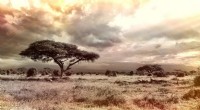
- Clearing forests for agriculture, urbanization, and other development projects destroys the natural habitats of wild animals, forcing them to move to new areas or perish.
>
>
- As human populations grow, the demand for land and resources increases, leading to the destruction of more natural habitats.
>
>
- This process fragments populations, making it harder for animals to find food, mates, and shelter, and increasing their risk of extinction.
2. Hunting and Poaching:
- Hunting for sport or food and illegal poaching of endangered species are significant threats to wild animals.
>
- Many animals are hunted for their fur, meat, tusks, or other body parts, leading to population declines.
>
- Illegal wildlife trade is a global problem, with animals being captured and sold as pets, entertainment, or traditional medicine ingredients.
3. Pollution:
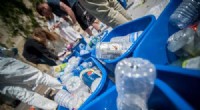
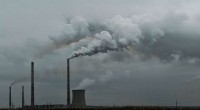
- Pollution from human activities, such as industrial waste, agricultural runoff, and plastic waste, can harm wild animals directly or indirectly.
>
>
- Pollutants can contaminate water sources, making them unsafe for drinking or causing harm to aquatic life.
>
- Plastics can be ingested by animals, causing blockages or poisoning, and can also contribute to habitat degradation.
>
>
- Air pollution can affect animals' respiratory systems, particularly in urban areas.
4. Roadkills:
- Collisions with vehicles on roads and highways can cause injuries or death to many wild animals.
>
- Roads fragment natural habitats, making it difficult for animals to cross safely.
>
>
- The increase in traffic volume and road construction further exacerbates this threat.
>
>
5. Climate Change:
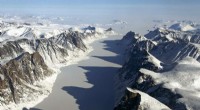
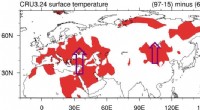
- Climate change is profoundly impacting wildlife by altering their habitats and food sources.
>
>
- Rising temperatures, shifting precipitation patterns, and increased frequency of extreme weather events can cause stress, reduced survival rates, and loss of biodiversity.
>
>
- Many cold-adapted species, such as polar bears, are particularly vulnerable to the effects of a warming climate.
6. Human-Wildlife Conflict:
- As human settlements expand into wildlife habitats, conflicts between humans and wild animals can arise.
>
- Animals may raid crops or livestock, leading to retaliatory killings or displacement.
>
- Interactions with aggressive or dangerous animals can result in injuries or death for both humans and animals.
7. Disease Transmission:
- Diseases can spread between humans and wild animals, including rabies, avian influenza, and salmonellosis.
>
>
- The spread of diseases can threaten the health of both wildlife populations and domestic animals, leading to conservation and economic impacts.
8. Overfishing and Bycatch:
- Overfishing and bycatch (accidental capture of non-target species) can significantly reduce marine wildlife populations.
>
- Overfishing can deplete essential food sources for many marine species, while bycatch can result in the death of endangered or protected species such as sea turtles and dolphins.
9. Noise and Light Pollution:
- Excessive noise and artificial lights from human activities can disrupt the natural behavior of wildlife.
>
- Noise can interfere with communication, hunting, and mating, while light pollution can disturb sleep patterns and disrupt migration.
>
- These disturbances can affect animals' overall well-being and survival.
10. Animal Cruelty:
- Intentional acts of cruelty, abuse, or neglect toward wild animals persist as a concerning issue.
>
>
- Wild animals may be subjected to violence, neglect, or inadequate living conditions in captivity, such as circuses, roadside zoos, or the pet trade.