Introduction:
Wildfires are a natural part of many ecosystems, playing a crucial role in shaping vegetation dynamics and ecological processes. However, climate change is altering the frequency, intensity, and severity of wildfires, impacting the recovery and resilience of fire-disturbed forests. To better understand these changes and develop effective management strategies, a unique field study was conducted to examine the impacts of climate change on fire-affected forests.
Study Area and Methods:
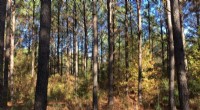
The study was carried out in a fire-prone coniferous forest in the western United States, which has experienced substantial changes in climate patterns. A comprehensive monitoring program was established to collect data on multiple ecosystem components, including tree regeneration, plant diversity, soil characteristics, and the post-fire microclimate. Advanced remote sensing techniques were also employed to analyze changes in vegetation structure and landscape patterns.
Key Findings:
1. Altered Regeneration Patterns:
Climate change affected post-fire tree regeneration patterns. Species that were previously well-adapted to the region's historical fire regime experienced reduced seedling survival and growth due to extreme weather events and altered moisture availability. Conversely, less fire-adapted species showed increased establishment in some areas.
2. Shifts in Plant Diversity:
Plant diversity responded differently to post-fire changes in climate. Native plant species, particularly those reliant on specific microclimates or fire cycles, declined, while invasive species took advantage of disturbed conditions and increased their abundance.
3. Increased Soil Degradation:
The study revealed heightened soil erosion and nutrient loss in fire-affected areas. Elevated temperatures and intense rainfall events associated with climate change led to soil degradation, impacting nutrient cycling and long-term ecosystem productivity.
4. Microclimate Shifts:
Climate change altered the post-fire microclimate within the forest. Higher temperatures and reduced humidity influenced evapotranspiration rates and increased plant water stress, posing challenges for vegetation recovery.
5. Landscape Connectivity:
Remote sensing analysis indicated changes in landscape connectivity. Fragmentation of forest stands due to severe fires and subsequent changes in vegetation structure hindered the movement of wildlife and affected ecosystem connectivity.
Conclusion:
The field study provided valuable insights into the diverse impacts of climate change on fire-impacted forests. The complex interactions between altered fire regimes, temperature variations, precipitation patterns, and plant-soil relationships demand a holistic approach to forest management. Prioritizing ecosystem resilience, employing assisted migration techniques for vulnerable species, and implementing adaptive management strategies will be crucial in safeguarding the integrity of fire-prone forests amidst a changing climate. The knowledge gained from this study offers crucial guidance for the conservation and restoration of fire-affected landscapes in the face of climate-driven challenges.