The Great Lakes are experiencing their lowest ice cover in decades, with only about 20% of the lakes' surface frozen over as of mid-February. This is in stark contrast to the average ice cover of 60% for this time of year over the past 30 years.
The lack of ice cover has a number of implications for the region, including:
* Warmer winter temperatures: The ice cover helps to reflect sunlight back into the atmosphere, which helps to keep the region cooler in the winter. Without the ice cover, more sunlight is being absorbed by the water, which is leading to warmer temperatures.
* Increased evaporation: The ice cover also helps to reduce evaporation from the Great Lakes. Without the ice cover, more water is evaporating, which is contributing to lower water levels.
* Loss of habitat for wildlife: The ice cover provides habitat for a variety of wildlife, including seals, polar bears, and fish. Without the ice cover, these animals are losing their homes and food sources.
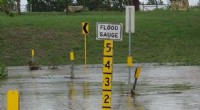
* Potential for flooding: The combination of warmer temperatures and lower water levels is increasing the risk of flooding in the Great Lakes region. If the water levels rise too high, it could damage infrastructure and displace people.
The low ice cover is a sign of the changing climate in the Great Lakes region. The climate is warming, and the ice cover is responding to those changes. It is important to understand the implications of these changes so that we can adapt and protect our region.
What can you do to help?
There are a number of things you can do to help protect the Great Lakes and its ice cover, including:
* Reduce your energy consumption: This will help to reduce greenhouse gas emissions, which contribute to climate change.
* Conserve water: This will help to reduce the amount of water that evaporates from the Great Lakes.
* Support organizations that are working to protect the Great Lakes: There are a number of organizations that are working to protect the Great Lakes. You can support them by donating money, volunteering your time, or spreading the word about their work.
By taking action, we can all help to protect the Great Lakes and its ice cover for future generations.