*1. Habitat loss:*
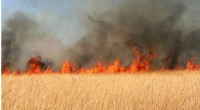
- Habitat loss due to deforestation, urbanization, or other human activities can reduce the amount of available food and shelter for both predator and prey species. This can lead to decreased populations of both species or shifts in their distribution.
- For example, the destruction of forests can reduce the habitat available for prey species like deer, which can lead to a decrease in their population. This, in turn, can affect the population of predators like wolves, which rely on deer as a primary food source.
*2. Climate change:
- Climate change can alter the timing of predator-prey interactions. For example, if climate change causes a shift in the timing of plant growth, this can impact the availability of food for prey species. This change in food availability can affect the timing of predator reproduction or hunting behavior.
- For instance, in the Arctic, climate change is causing the sea ice to melt earlier in the year. This affects the availability of breeding habitat for polar bears, which rely on sea ice to access their prey of seals.
*3. Pollution:*
- Pollution can have direct and indirect effects on predator-prey interactions. Pollutants can accumulate in the bodies of prey species, making them less nutritious or even toxic to predators. Pollution can also alter the behavior of predators, making them less efficient at hunting.
- For example, certain pollutants can affect the reproductive success or immune function of predators, reducing their ability to hunt and reproduce effectively.
*4. Species introductions:*
- The introduction of non-native species can disrupt predator-prey dynamics by altering the existing food web. Introduced predators can compete with native predators for resources, while introduced prey species can provide new food sources for predators, leading to changes in their population sizes.
- For example, the introduction of the Nile perch into Lake Victoria in Africa led to a decline in the population of native fish species, which were prey for several bird species. This, in turn, affected the populations of these birds.
Understanding how environmental disturbances affect predator-prey interactions is crucial for predicting and managing the impacts of these disturbances on ecosystems and biodiversity. It allows conservationists and ecologists to develop strategies to mitigate the negative effects of environmental changes on these interactions and maintain ecosystem balance.