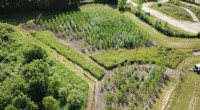
There are a number of reasons why agroecology is needed in the US food system.
- Environmental sustainability: Agroecology can help to reduce the negative environmental impact of agriculture, such as water pollution, soil erosion, and greenhouse gas emissions.
- Improved food quality and safety: Agroecology can lead to improved food quality and safety, as it reduces the use of chemical inputs that can contaminate food.
- Increased resilience to climate change: Agroecological practices can help to make farms more resilient to climate change, as they are less dependent on inputs that may become scarce or expensive in the future.
- Improved farmer livelihoods: Agroecology can help to improve farmer livelihoods, as it can reduce the costs of production and increase yields.
- Increased food sovereignty: Agroecology can help to increase food sovereignty, as it allows farmers to produce food that is adapted to local conditions and reduces the reliance on imported inputs.
Agroecology is a promising approach to transforming the US food system and making it more sustainable, resilient, and equitable. By embracing agroecological principles, farmers can help to protect the environment, improve food quality and safety, increase their livelihoods, and contribute to food sovereignty.