According to the United States Drought Monitor, over 97% of California is experiencing some level of drought, with nearly 60% of the state in the most severe category of "exceptional drought." The lack of rainfall and snowpack has led to significantly depleted reservoirs, dry riverbeds, and widespread agricultural losses, particularly in the state's central and southern regions.
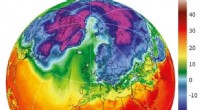
The ongoing heat wave, with temperatures soaring above 100 degrees Fahrenheit (37 degrees Celsius) in many areas, has further intensified the drought conditions. Hotter temperatures lead to increased evaporation from reservoirs and soil, exacerbating water shortages. The extreme heat also increases the risk of wildfires, which have already ravaged parts of the state.
The combination of drought and heat has created a devastating impact on California's ecosystems. Wildfires have destroyed thousands of acres of forest, grasslands, and shrublands, causing significant damage to wildlife habitats. The loss of vegetation has also led to increased soil erosion and water pollution.
To address the water shortage, California has implemented various measures, including water restrictions, conservation programs, and investments in water infrastructure. Governor Gavin Newsom has also declared a state of emergency, allowing the state to access additional resources and take necessary steps to mitigate the impacts of the drought.
Despite these efforts, the drought continues to pose significant challenges for California, and the long-term effects on the state's water resources, agriculture, and ecosystems remain uncertain.