Climate change is a global phenomenon that is having a wide range of negative impacts on human societies and ecosystems. Education is one sector that is particularly vulnerable to the effects of climate change.
Increased School Closures and Disruptions
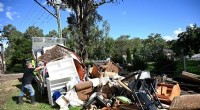
One of the most direct ways that climate change can impact education is by causing school closures and disruptions. Extreme weather events, such as hurricanes, floods, and heat waves, can damage or destroy school buildings and infrastructure, making it impossible for students to attend school. In addition, these events can lead to power outages and disruptions to transportation, which can also make it difficult for students to get to school.
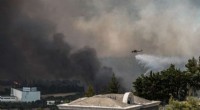
For example, in the United States, Hurricane Katrina caused over 1,300 schools to close in 2005. Hurricane Harvey, which hit Texas and Louisiana in 2017, caused extensive damage to schools in both states, with some schools closed for weeks or even months. In California, wildfires have forced schools to close for days or even weeks at a time due to poor air quality.
Displacement of Students and Teachers
Climate change can also lead to the displacement of students and teachers. This can happen as a result of sea level rise, coastal erosion, droughts, and other climate-related events. When people are forced to move from their homes, they may not be able to take their children with them, or they may not be able to find a new school for their children in their new location.
For example, in Alaska, where coastal erosion is a major problem, many indigenous communities have been forced to relocate. This has resulted in the disruption of education for many children in these communities. In the Pacific Islands, where sea level rise is a threat, many schools are at risk of being flooded or destroyed.
Health Impacts on Students and Teachers
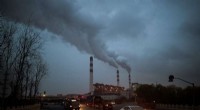
Climate change can also have negative impacts on the health of students and teachers. Increased temperatures and smog can lead to respiratory problems, cardiovascular disease, and other health conditions. These conditions can make it difficult for students to concentrate and learn, and can also lead to absenteeism.
For example, a study by the World Health Organization found that children who are exposed to high levels of air pollution are more likely to have respiratory problems, such as asthma. In the United States, the Environmental Protection Agency has found that smog can lead to a decrease in lung function, which can make it difficult for children to participate in physical activities.
Other Challenges
In addition to the challenges listed above, climate change can also have a number of other negative impacts on education, including:
* Reduced funding for education due to the need to reallocate resources to address the impacts of climate change
* Increased competition for resources, such as water and energy, which can lead to conflict and disruption
* Displacement of educational institutions due to sea level rise, coastal erosion, or other climate-related events
Conclusion
Climate change is a serious threat to education. The impacts of climate change are already being felt around the world, and they are only going to get worse in the years to come. It is essential that we take action to address climate change and protect our children's right to an education.