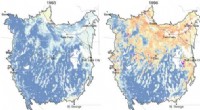
Since the program began in 1983, there have been significant improvements to the Chesapeake Bay. However, the Bay remains impaired by a number of environmental problems, including:
* Excessive nutrient pollution
* Toxic contaminants
* Sedimentation
* Overfishing
* Habitat loss
Despite the challenges, progress is being made. For example, thanks to improvements in wastewater treatment plants and agricultural practices, nitrogen and phosphorus pollution has been reduced by 25% since 1985. In addition, there have been significant declines in the levels of toxic contaminants in the Bay.
Despite these improvements, the Chesapeake Bay is still one of the most polluted estuaries in the world. There are a number of reasons for this, including:
* The size of the Bay
* The Bay's long history of pollution
* The Bay's diverse uses
These factors make restoring the Bay a complex and challenging task. However, the Chesapeake Bay Program is making progress. By working together, states, local communities, and individuals can continue to reduce pollution and improve the health of the Chesapeake Bay.
Here are some additional insights into why improvements to the Chesapeake Bay remain a challenge:
* Population growth: The population of the Chesapeake Bay watershed is growing rapidly. This growth is putting a strain on the Bay's resources and making it more difficult to reduce pollution.
* Climate change: Climate change is also making it more difficult to restore the Bay. Climate change is causing the Bay to warm, which is making it more difficult for the Bay's plants and animals to survive. Climate change is also leading to more storms and floods, which can damage the Bay's habitat and pollute the water.
* Lack of funding: The Chesapeake Bay Program is not fully funded. This means that there are not enough resources available to reduce pollution and improve the health of the Bay.
Despite these challenges, progress is being made. The Chesapeake Bay Program has set a goal of restoring the Bay by 2025. This goal is ambitious, but it is possible. By working together, states, local communities, and individuals can achieve this goal and ensure that the Chesapeake Bay remains a healthy and vibrant ecosystem for future generations.