At the stroke of midnight, a team of intrepid researchers carefully descended into a sacred cave in the tranquil, remote corners of Yushu, Tibet. The air buzzed with excitement and anticipation as they embarked on a voyage that promised to shed new light on the story of prehistoric human existence on the world's "roof."
Unearthing the Past: Yushu's Cave of Hidden Treasure
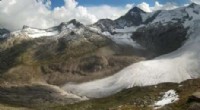
Yushu county is a place of profound natural beauty, with its towering mountains, emerald green valleys, and vast stretches of grasslands. However, it also conceals a secret world, a treasure trove of hidden caves that bear witness to human habitation that dates back thousands of years.
One such cave, located at an altitude of 4,000 meters, has captivated the attention of scientists for decades. Known as "Karuo 2," this sacred site promised to reveal crucial insights into how ancient humans managed to survive in the harsh and unforgiving environment of the Tibetan Plateau.
The Challenge: Navigating Darkness and Dangers
The journey into Karuo 2 was akin to stepping into a time capsule. The team ventured deep into the cave's bowels, navigating through a maze of labyrinthine passages and crevices that grew increasingly narrow and dark with each step.
The conditions inside the cave were grueling, compounded by the altitude sickness that many of the researchers experienced due to the thin mountain air. Their progress was slow and meticulous as they carefully documented every detail, every fragment of evidence that could paint a picture of life millennia ago.
Glimmers of Ancient Lives: A Window to the Past
Hours passed, and the midnight expedition revealed a tapestry of preserved history that left the team in awe. They discovered numerous stone tools, hearths, and other remnants of daily life that suggested that prehistoric humans had found refuge in the cave's sheltered embrace as early as 30,000 years ago.
But it was the exquisite rock art that truly stole their hearts. The researchers found intricate symbols, drawings of animals, and human figures, each stroke hinting at the rich culture and complex social interactions of these ancient inhabitants.
A Testament to Human Resilience and Adaptation**
The discoveries made in the Karuo 2 Expedition provided tangible evidence of human settlement in the Tibetan Plateau during a time when the region was believed to be too inhospitable for sustained habitation. It highlighted the remarkable resilience and adaptability of our human ancestors, who not only survived but also thrived in the face of these formidable conditions.
Echoes of History: Protecting a Sacred Legacy**
As the research team finally emerged from the cave, their hearts were heavy with the weight of history and the responsibility of safeguarding this sacred legacy for future generations. The expedition had unlocked a window to the past, revealing the indomitable spirit of our prehistoric ancestors.
The Karuo 2 Expedition stood as a testament to the enduring human quest for knowledge, our unwavering fascination with our origins, and the vital importance of preserving our irreplaceable cultural heritage for the benefit of humanity as a whole.