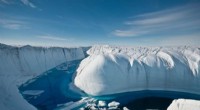
- Increased temperatures are causing glaciers and snowpack to melt, which reduces water supplies for drinking, irrigation, and hydropower.
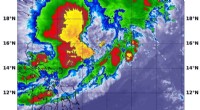
- More intense storms are leading to flooding and landslides, which can damage water infrastructure and contaminate drinking water sources.
- Changes in precipitation patterns are making it difficult for farmers to plan their crops, and saltwater intrusion is threatening coastal communities.
Water must be at the heart of climate action because it is a critical resource that is essential for both human health and economic development.
Climate change is putting increasing pressure on water resources, and we must take action to protect them.
Here are some ways that water can be integrated into climate action plans:
- Invest in water infrastructure. This includes building new dams, reservoirs, and water treatment plants, as well as repairing and maintaining existing infrastructure.
- Promote water conservation. This can be done through education campaigns, incentives, and regulations.
- Protect watersheds. This includes planting trees, restoring wetlands, and reducing pollution.
- Encourage water reuse and recycling. This can help to reduce the demand for fresh water.
- Support water diplomacy. This is essential for preventing conflicts over water resources.
Water is a shared resource, and we all have a responsibility to protect it.
By taking action on climate change, we can help to ensure that everyone has access to the water they need to survive and thrive.