While there are many anecdotal accounts of animals predicting the weather, there is no scientific consensus on whether animals can actually predict the weather. Scientists are increasingly studying the behaviour of animals in response to weather conditions and changes, but the mechanisms behind any predictive abilities are still not fully understood.
Examples
Some species are known to exhibit certain behaviours or physical adaptations that may indicate they are responding to changes in their environment, such as:
- Birds: Some birds migrate before storms, while others seek shelter or change their feeding patterns.
- Horses: Horses may become restless or show increased activity before a storm.
- Cattle: Cattle may gather together or seek shelter before bad weather.
- Dogs: Dogs may become anxious or restless, or seek shelter, before a storm.
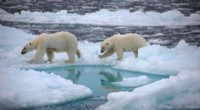
- Bears: Bears may sleep more or change their feeding patterns before bad weather.
- Insects: Some insects may seek shelter or change their behaviour before a storm.
Scientific research
While these observations suggest that animals may be responding to changes in their environment, it is difficult to determine whether this is a form of predicting the weather. Scientific studies have yielded mixed results, with some suggesting that animals may be able to sense changes in atmospheric pressure, wind speed, or humidity, while others have found no significant evidence.
Conclusion
Ultimately, the ability of animals to predict the weather remains an interesting and complex question that requires further scientific research. While some animals may exhibit behaviours that appear to indicate they are responding to changes in their environment, more studies are needed to fully understand the mechanisms behind any predictive abilities.