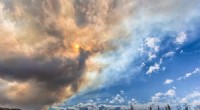
Wildfires can spread rapidly and may burn thousands of acres of land. They can cause significant damage to property, infrastructure and natural resources. Wildfires can also have a negative impact on air quality and public health.
The severity of a wildfire depends on a number of factors, including the type of vegetation, the weather conditions and the terrain. Wildfires are more likely to occur in dry, hot weather and in areas with high winds.
There are a number of steps that can be taken to prevent wildfires. These include:
* Educating the public about the risks of wildfires.
* Enforcing fire safety laws and regulations.
* Prescribed burns.
* Managing forests and grasslands to reduce the risk of fire.
Wildfires can be a devastating natural disaster. However, by taking steps to prevent wildfires, we can help to protect our lives, our property and our natural resources.
Wildfires typically progress through four stages:
* Ignition: This is the initial stage of a wildfire, when the fire starts.
* Growth: This is the stage when the fire spreads rapidly and grows in size.
* Spread: This is the stage when the fire begins to spread to other areas.
* Burnout: This is the final stage of a wildfire, when the fire dies out.
There are two main types of wildfires:
* Surface fires: These fires burn on the surface of the ground, consuming leaves, twigs and other small debris.
* Crown fires: These fires burn in the treetops, consuming the leaves, branches and needles. Crown fires are more dangerous and destructive than surface fires.
Wildfires can be caused by a number of factors, including:
* Lightning: Lightning is the most common natural cause of wildfires.
* Arson: Arson is the intentional setting of a fire.
* Campfires: Campfires that are not properly extinguished can start wildfires.
* Smoking: Smoking materials that are not properly disposed of can start wildfires.
* Equipment use: Equipment that is not properly maintained or operated can start wildfires.
There are a number of steps that can be taken to prevent wildfires. These include:
* Educating the public about the risks of wildfires. It is important to educate the public about the risks of wildfires and how to prevent them. This can be done through public awareness campaigns, fire prevention education programs and community outreach.
* Enforcing fire safety laws and regulations. Fire safety laws and regulations are in place to help prevent wildfires. It is important to enforce these laws and regulations to ensure that they are effective in preventing wildfires.
* Prescribed burns. Prescribed burns are controlled fires that are set by land managers to reduce the risk of wildfires. Prescribed burns can help to clear away dead vegetation and reduce the amount of fuel that is available for a wildfire to burn.
* Managing forests and grasslands to reduce the risk of fire. Forests and grasslands can be managed to reduce the risk of fire by thinning trees, removing dead vegetation and creating defensible space around homes and structures.
Wildfires can be fought by a variety of methods, including:
* Water: Water is the most effective way to extinguish wildfires. Water can be applied from hoses, water trucks or airplanes.
* Foam: Foam is a chemical agent that can be used to extinguish wildfires. Foam can be applied from hoses or airplanes.
* Fire retardants: Fire retardants are chemical agents that can be used to slow the spread of wildfires. Fire retardants can be applied from airplanes.
* Bulldozers: Bulldozers can be used to create firebreaks, which are wide strips of land that have been cleared of vegetation to help stop the spread of wildfires.
Wildfires can have a significant impact on the environment and on human health. Wildfires can:
* Damage or destroy property. Wildfires can damage or destroy homes, businesses, infrastructure and natural resources.
* Cause injuries or death. Wildfires can cause injuries or death to firefighters, residents and other people who are in the path of a wildfire.
* Degrade air quality. Wildfires can release harmful pollutants into the air, which can cause respiratory problems and other health issues.
* Damage water supplies. Wildfires can damage water supplies by burning through water treatment facilities and contaminating water sources.
* Degrade ecosystems. Wildfires can damage or destroy ecosystems, such as forests, grasslands and wetlands.