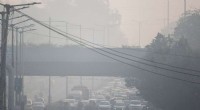
1. Reduced Vehicle Emissions: Public transportation can significantly reduce the number of vehicles on the road, leading to lower emissions of greenhouse gases, such as carbon dioxide (CO2), from motor vehicles. These emissions contribute to climate change and air pollution, but using public transit helps to mitigate their impact.
2. Improved Air Quality: With fewer vehicles on the road, public transportation reduces air pollution, particularly in urban areas where traffic congestion is high. This can lead to improved air quality, reducing respiratory health problems, smog, and haze, and contributing to cleaner, healthier air.
3. Energy Efficiency: Public transportation is generally more energy-efficient compared to individual car usage. Trains, buses, and trams can transport large numbers of passengers using less energy per person than cars. This energy efficiency helps conserve fossil fuels and reduces the overall energy demand and consumption.
4. Reduced Traffic Congestion: By providing an alternative to driving, public transportation can help alleviate traffic congestion, especially during rush hour. This can improve travel times, reduce stress for commuters, and make cities more livable and navigable.
5. Land Conservation: Since public transportation requires fewer vehicles on the road, it reduces the demand for parking spaces and highways. This can help preserve natural habitats, forests, and open spaces that might be converted into parking lots or roads if everyone drove their own vehicles.
6. Encouragement of Active Transportation: Public transportation often connects with walking and cycling paths, making it convenient for people to incorporate these forms of active transportation into their journeys. This can lead to increased physical activity, improved health, and further reduced carbon emissions.
7. Community Development: Well-developed public transportation systems can enhance community development by connecting different areas, improving accessibility, and supporting economic activities. This can contribute to a more vibrant, sustainable, and inclusive urban environment.
Overall, public transportation provides an eco-friendly and sustainable alternative to private vehicles, promoting greener cities, cleaner air, and a healthier environment. By reducing emissions, conserving energy, and encouraging more sustainable travel habits, public transportation plays a crucial role in combating climate change and creating a more sustainable future for our planet.