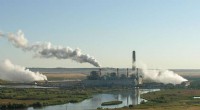
Air Quality:
- Positive Progress: Many countries have implemented regulations to control air pollution, leading to significant reductions in harmful pollutants such as sulfur dioxide, nitrogen oxides, and lead.
- Challenges Remain: Air quality in many urban areas remains a concern, with elevated levels of particulate matter, ozone, and other pollutants contributing to respiratory issues.
Water Quality:
- Achievements: Efforts to reduce industrial pollutants, improve wastewater treatment, and protect water bodies have led to cleaner waterways in many regions.
- Persistent Issues: Contamination from agricultural runoff, plastic pollution, and inadequate wastewater management still impact freshwater ecosystems and oceans.
Climate Change:
- Scientific Consensus: The understanding of climate change has evolved dramatically. Today, there's a strong scientific consensus that human activities, primarily the burning of fossil fuels, are the primary drivers of climate change.
- Global Warming: The average global temperature has increased by approximately 1 degree Celsius since the late 19th century, with the past decade being the warmest on record.
Deforestation:
- Reduced Rates: Global deforestation rates have declined in recent decades due to conservation initiatives, sustainable forestry practices, and increased public awareness.
- Ongoing Threats: Deforestation continues to occur in many parts of the world, contributing to habitat loss, biodiversity decline, and greenhouse gas emissions.
Biodiversity:
- Loss and Extinction: Species extinctions and population declines have accelerated due to habitat loss, pollution, invasive species, and climate change.
- Initiatives: Conservation efforts, including the creation of protected areas and species recovery programs, aim to protect biodiversity.
Plastics and Waste:
- Increased Consumption: Plastic production has skyrocketed, leading to an excessive amount of plastic waste accumulating in landfills, oceans, and ecosystems.
- Progress in Recycling: Some countries have made significant strides in waste management and recycling, reducing plastic pollution and promoting circular economies.
Renewable Energy:
- Growth Potential: Renewable energy sources, such as solar, wind, and hydropower, have seen tremendous growth in recent years due to technological advancements and policy support.
- Barriers: Despite progress, fossil fuels still dominate global energy production, and infrastructure challenges impede the widespread adoption of renewables.
Environmental Awareness:
- Heightened Consciousness: Environmental consciousness has grown significantly since the first Earth Day, with greater public engagement in sustainability issues and advocacy for environmental protection.
- Activism and Movements: Environmental movements, activism, and grassroots efforts have played a vital role in pushing for policy changes and corporate accountability.
Overall, while some positive environmental changes have been made since the first Earth Day, significant challenges remain. Continued collaboration, innovation, and policy action are necessary to address the urgent environmental issues facing our planet.