1. Aboriginal People and Land Management:
- The Aboriginal people, the original inhabitants of Australia, have a long history of inhabiting and managing the land. They practiced fire management techniques to enhance biodiversity and hunting practices that largely coexisted with the local ecosystems.
- However, the scale of Aboriginal impact on ecosystems might not have caused widespread, rapid collapse on a continental scale.
2. Megafauna Extinction:
- Australia experienced megafauna extinctions during the Pleistocene epoch, coinciding roughly with human arrival but also occurring during periods of climate change.
- While hunting might have contributed to some extinctions, the primary drivers are still debated, with the role of climate and environmental shifts receiving significant attention from researchers.
3. Changing Climate:
- Australia has a dynamic and complex environmental history, with periods of intense aridity and shifts in rainfall patterns.
- Climate fluctuations were a significant force shaping the ecosystem throughout history and impacted both vegetation and animal populations independently of human activities.
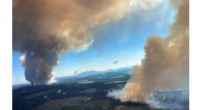
4. Fire and Vegetation Changes:
- Fire has been a natural part of Australia's ecosystems for millennia. Natural fire events can reshape vegetation and have ecological impacts.
- While Aboriginal fire practices undoubtedly influenced vegetation, the broader impact of fire on ecosystem collapse remains a subject of ongoing research and debate.
5. Multiple Factors:
- It is likely that a combination of factors, including climate change, shifting vegetation, megafauna extinctions, and human activities, played a role in shaping the ancient ecosystems of Australia.
- Attributing ecosystem collapse solely to human activity is simplistic, and researchers aim to understand the interplay of various factors.
6. Ongoing Investigations:
- The scientific community continues to study paleoecological records, geological data, and engage with indigenous knowledge to better understand ancient Australia's ecosystems and the complexities behind their changes.
In conclusion, while human activities may have played a role in influencing the ecosystems of ancient Australia, it is challenging to conclusively state that humans were the primary cause of ecosystem collapse. The scientific consensus points to the intricate interactions between climate, the natural environment, and human influences, necessitating further research to fully understand the dynamics of Australia's long and complex environmental history.