The story of the quagga's stripe-shedding journey is a captivating tale of rapid evolution, adaptation, and environmental pressures that shaped the course of this species' history. Here's how it happened:
1. The Changing Landscape:
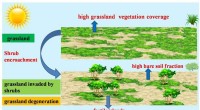
During the Pleistocene epoch, around 2.6 million years ago, the southern African landscapes underwent significant changes. Woodlands and forests gave way to open grasslands, altering the environmental conditions drastically.
2. Selective Pressures:
The newfound grasslands favored animals with camouflage that helped them blend into the vast expanse of golden grass. Dark-colored animals were better suited for this environment, as they could camouflage themselves more effectively from predators.
3. Natural Selection:
As natural selection took its course, individuals with reduced striping were more likely to survive and reproduce successfully in the new grassland ecosystem. This favored the darker color variations, while striped patterns gradually became less advantageous.
4. Stripe Reduction:
Over generations, the stripes on the quagga's body began to shrink and fade. The once-bold black stripes slowly diminished in size and intensity, leaving more and more brown in their place.
5. Rapid Adaptation:
The remarkable pace at which the quagga lost its stripes showcases the remarkable adaptability of species in response to environmental shifts. This rapid transformation is believed to have occurred within just a few thousand years.
6. The Last Quaggas:
By the 19th century, the Quagga population had dwindled due to relentless hunting, habitat loss, and competition with livestock. Sadly, the last known Quagga died in captivity in the Amsterdam Zoo during August 1883, leaving behind a legacy of scientific curiosity and wonder.
Today, the story of the Quagga serves as a testament to the power of natural selection and rapid evolution. It reminds us of the intricate relationship between species and their environment and highlights the remarkable capacity of life to adapt and transform over time.