Red tide refers to a harmful algal bloom (HAB) that occurs when large populations of microscopic algae, known as dinoflagellates, multiply rapidly and accumulate in coastal waters. The phenomenon is characterized by discoloration of the water, typically turning it a reddish or brownish color, due to the high concentration of these algae cells.
Causes of Red Tide
Red tides are driven by a combination of environmental factors, including:
1. Nutrient Loading: Excessive amounts of nutrients, such as nitrogen and phosphorus, primarily from agricultural runoff and sewage discharge, enter coastal waters and promote the rapid growth of dinoflagellates, causing a bloom.
2. Water Temperature: Red tides often occur during warmer months when water temperatures are optimal for the growth and proliferation of specific dinoflagellate species.
3. Hydrodynamic Conditions: Wind and ocean currents influence the movement of water and can concentrate dinoflagellate cells in certain areas, leading to bloom formation.
4. Natural Population Cycles: Some dinoflagellates have natural population cycles that can lead to periodic red tides, regardless of environmental conditions.
Impacts of Red Tide
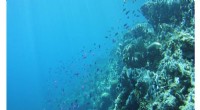
1. Marine Life: Red tides can have devastating effects on marine ecosystems. Some dinoflagellate species produce harmful toxins, which can cause fish kills, damage coral reefs, and affect shellfish, leading to closures of fishing grounds.
2. Human Health: When aerosols containing red tide toxins become airborne through wave action, they can cause respiratory irritation, coughing, and eye irritation in humans who are near or on the water. Ingestion of contaminated seafood can also lead to gastrointestinal symptoms and neurological effects.
3. Economic Consequences: Red tides often lead to economic losses for coastal communities that rely on fishing, tourism, and recreation. Beach closures, restrictions on shellfish harvesting, and reduced catches of commercial fish species can impact livelihoods and local businesses.
Management Strategies
Efforts to manage and mitigate red tides include:
1. Nutrient Reduction: Reducing nutrient pollution by implementing best practices in agriculture and wastewater management to minimize nutrient runoff into coastal waters.
2. Monitoring and Forecasting: Regular monitoring of water quality parameters and algal concentrations helps in early detection of potential red tide blooms. Advanced modeling and forecasting systems can provide early warnings to allow for proactive measures.
3. Research: Continued scientific research is essential to understand the specific factors influencing red tide formation, bloom dynamics, and potential mitigation strategies.
4. Public Awareness and Education: Educating the public about the potential impacts of red tide and the importance of sustainable practices can encourage behavioral changes to reduce nutrient pollution.
Managing red tides remains a complex challenge due to the intricate interplay of environmental factors and natural population dynamics of dinoflagellates. Collaborative efforts involving scientific research, policy-making, and public engagement are crucial for mitigating the ecological and socioeconomic impacts of these harmful algal blooms.