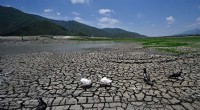
Water scarcity and population growth: As the global population continues to grow, so does the demand for water. Freshwater resources are finite, and some regions already face water scarcity. Increasing competition for water resources can lead to tensions and disputes between countries or regions that share water sources.
Climate change impacts: Climate change is expected to exacerbate water scarcity in many regions. Changes in precipitation patterns, rising temperatures, and melting glaciers can disrupt water availability and alter the flow of rivers and groundwater systems. This can intensify water conflicts and increase the risk of water-related disputes.
Political tensions and cooperation: Water conflicts are often intertwined with political tensions and power dynamics between countries or regions. Historical grievances, territorial disputes, and lack of cooperation in water management can contribute to the escalation of water conflicts. On the other hand, cooperative efforts, diplomacy, and the establishment of water-sharing agreements can help mitigate conflicts and promote sustainable water management.
Transboundary water resources: Many of the world's largest river basins are shared by multiple countries. Managing these transboundary water resources can be challenging, especially when there is disagreement over water allocation, dam construction, or pollution control. Fair and equitable sharing of water resources requires effective international cooperation and mechanisms for dispute resolution.
Water as a strategic resource: In some cases, water has been used as a strategic resource in political conflicts. Upstream countries may have the ability to control the flow of water to downstream countries, giving them a potential tool for exerting political pressure. However, such actions can have serious consequences and can escalate conflicts.
Overall, while water scarcity and climate change pose challenges to water security, the occurrence of full-scale water wars remains uncertain. International cooperation, diplomacy, and sustainable water management practices are crucial to preventing or mitigating water conflicts. Effective governance, equitable water allocation, and the development of water-saving technologies can help reduce the risk of water-related tensions and promote peaceful coexistence.