1. Sustainable Design and Planning:
- Urban planning focuses on compact and mixed-use development to reduce urban sprawl and promote efficient land use.
- Buildings are designed with energy efficiency, green infrastructure, and sustainable materials in mind.
- Urban design emphasizes pedestrian-friendly streets, public transportation, and cycling infrastructure to reduce reliance on cars.
2. Green Infrastructure:
- Green cities incorporate parks, green spaces, community gardens, and urban forests to enhance air and water quality, provide recreational areas, and support biodiversity.
- Green roofs and walls help reduce the urban heat island effect and improve insulation, leading to energy savings and reduced carbon emissions.
3. Water Management:
- Sustainable water management practices are adopted, such as rainwater harvesting, greywater reuse, and permeable surfaces, to reduce runoff and conserve water.
- Green infrastructure helps absorb and filter stormwater, reducing the strain on sewer systems and improving water quality.
4. Waste Management:
- Waste reduction, recycling, and composting programs are widely implemented to minimize the environmental impact of waste disposal.
- Zero-waste initiatives aim to eliminate waste sent to landfills and incinerators.
5. Energy Efficiency and Renewable Energy:
- Green cities promote energy-efficient practices in buildings, transportation, and industry.
- Renewable energy sources, such as solar and wind power, are utilized to reduce reliance on fossil fuels and cut greenhouse gas emissions.
6. Transportation:
- Public transportation systems, including buses, trains, and trams, are expanded and optimized to provide convenient and affordable alternatives to private vehicles.
- Infrastructure for cycling and walking is prioritized, making it easier and safer for people to choose non-polluting modes of transportation.
7. Air Quality:
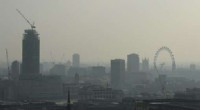
- Initiatives to reduce air pollution are implemented, such as emission standards for vehicles and industries, green spaces to absorb pollutants, and congestion pricing to discourage excessive car usage.
8. Biodiversity:
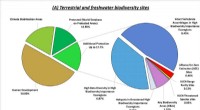
- Green cities protect and enhance biodiversity by preserving natural habitats, implementing wildlife corridors, and encouraging native plant species in landscaping.
9. Community Engagement:
- Residents and stakeholders are actively involved in the planning and decision-making processes, ensuring that green initiatives align with community values and needs.
10. Climate Resilience:
- Green cities adopt measures to mitigate the effects of climate change, such as urban heat island mitigation strategies and infrastructure that can withstand extreme weather events.
Overall, green cities aim to strike a balance between urbanization and environmental sustainability, creating healthier, more resilient, and eco-friendly urban environments that promote the well-being of both people and the planet.