1. Climate Change and Atmospheric Composition:
Human activities, particularly the burning of fossil fuels, have significantly altered the Earth's atmosphere. The release of greenhouse gases, such as carbon dioxide (CO2), methane (CH4), and nitrous oxide (N2O), has led to a rise in global temperatures, resulting in climate change. The increase in CO2 levels is primarily responsible for the enhanced greenhouse effect, trapping more heat in the atmosphere and causing the Earth to warm.
2. Ocean Acidification:
The oceans have absorbed a considerable amount of CO2 from the atmosphere, leading to ocean acidification. As CO2 dissolves in water, it forms carbonic acid, which lowers the pH of the ocean. This acidification has adverse effects on marine life, especially organisms with calcium carbonate shells or skeletons, such as corals, shellfish, and certain types of plankton.
3. Land Use Changes:
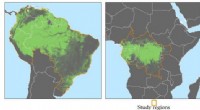
Human activities, including agriculture, urbanization, and deforestation, have significantly altered the Earth's land surface. The conversion of natural landscapes into agricultural land has resulted in habitat loss for many plant and animal species, contributing to biodiversity decline. Deforestation, in particular, releases large amounts of CO2 into the atmosphere, further exacerbating climate change.
4. Biodiversity Loss:
The human-induced alteration of habitats, pollution, climate change, and invasive species have all contributed to a rapid decline in biodiversity. The extinction of numerous species not only disrupts ecosystems but also diminishes the resilience of the entire planet.
5. Plastic Pollution:
The production and accumulation of plastic materials have become a significant environmental concern. Plastics can persist for hundreds of years in the environment, polluting oceans, waterways, and beaches. Microplastics, tiny particles of plastic, have even been found in remote locations, including Arctic sea ice and deep-sea sediments.
6. Ozone Depletion:
Human-produced chemicals, known as chlorofluorocarbons (CFCs) and hydrochlorofluorocarbons (HCFCs), have led to the depletion of the ozone layer in the Earth's stratosphere. The ozone layer plays a crucial role in shielding the Earth from harmful ultraviolet (UV) radiation from the sun. Ozone depletion has increased the incidence of skin cancer, cataracts, and other health issues while also impacting plant life.
In summary, human activities are reshaping Earth in profound ways. The scale and severity of these changes have compelled the scientific community to acknowledge the Anthropocene as a distinct geological period, emphasizing the urgent need for sustainable practices and policies to mitigate the negative impacts of human influence on the planet.