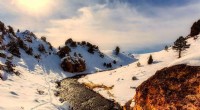
* Melting sea ice: The Arctic sea ice is melting at an accelerating rate, which is reducing the habitat available for polar bears, seals, and other marine animals.
* Permafrost degradation: Permafrost is frozen ground that underlies much of the Arctic and sub-Arctic regions. As the climate warms, the permafrost is thawing, which is causing the ground to become unstable and sink. This can damage infrastructure and make it difficult for animals to find shelter and food.
* Changes in vegetation: The warming climate is also causing changes in the vegetation of the Arctic and sub-Arctic regions. This is making it difficult for some animals to find the food that they need to survive.
These changes in the environment are having a negative impact on the survival of mammals in the Arctic and sub-Arctic regions. Some species are already declining in population, and others are at risk of extinction.
Here are some specific examples of how climate change is affecting mammals in the Arctic and sub-Arctic regions:
* Polar bears: Polar bears rely on sea ice for hunting, breeding, and traveling. As the sea ice melts, polar bears are having to spend more time on land, where they are more vulnerable to hunting and predation. Polar bear populations are declining in all of the Arctic regions.
* Seals: Seals rely on sea ice for pupping, nursing, and molting. As the sea ice melts, seals are having to find new places to give birth and raise their young. This is making them more vulnerable to predation and disease. Seal populations are declining in many parts of the Arctic.
* Reindeer: Reindeer rely on lichens and other vegetation for food. As the climate warms, the vegetation in the Arctic and sub-Arctic regions is changing, which is making it difficult for reindeer to find the food that they need. Reindeer populations are declining in many parts of the Arctic.
Climate change is a serious threat to the survival of mammals in the Arctic and sub-Arctic regions. If we do not take action to reduce greenhouse gas emissions, we could see the extinction of some of the world's most iconic animals.