In the heart of central Turkey lies the bustling city of Kirikkale, renowned for its vibrant history and cultural significance. However, as the world grapples with the urgent need for sustainable development, Kirikkale is poised to embark on a remarkable transformation that places it at the forefront of eco-friendly urban planning. Central to this vision is a pioneering proposal to utilize pistachio shells for the efficient heating of a brand-new eco-city within its boundaries.
From Pistachio Farms to Sustainable Heating
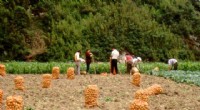
Kirikkale stands at the intersection of modern innovation and deep respect for nature, making it an ideal location to pioneer this groundbreaking concept. The region is renowned for its extensive pistachio orchards, which produce a surplus of pistachio shells annually. Recognizing the untapped potential of these shells, the city authorities saw an opportunity to integrate sustainability and economic growth.
The pistachio shells, currently considered waste, will be processed and repurposed as fuel for a district heating system that will serve the entire eco-city. This ingenious solution not only reduces the dependence on conventional energy sources but also ensures a continuous supply of fuel without encroaching on natural resources or creating additional waste.
Environmental Benefits and Efficiency
The utilization of pistachio shells as a renewable energy source offers numerous benefits for the environment and the efficient functioning of the eco-city.
1. Reduced Carbon Emissions: Replacing traditional fossil fuels with pistachio shells significantly lowers greenhouse gas emissions, thus combatting climate change.
2. Energy Efficiency: Pistachio shells exhibit exceptional calorific value, meaning they release a substantial amount of energy when burned. This enhances the overall efficiency of the district heating system.
3. Minimized Waste: The city's pistachio industry currently generates around 10,000 tons of shells annually, posing disposal challenges. By incorporating these shells into the heating system, Kirikkale not only reduces waste but also adds value to a previously discarded byproduct.
4. Job Creation: The establishment of the eco-city and the processing of pistachio shells will generate new employment opportunities, further propelling economic growth.
Kirikkale's Example and Broader Implications
The success of Kirikkale's eco-city will serve as a beacon of hope for sustainable urbanization worldwide. Its innovative use of pistachio shells highlights the potential of integrating local resources and agricultural byproducts into city planning, fostering a circular economy that respects the environment. Moreover, it challenges the traditional perception of waste and demonstrates how discarded materials can be transformed into valuable assets.
As Kirikkale embarks on this pioneering journey, it has the potential to inspire other regions and countries to explore similar sustainable heating solutions using locally available resources. By embracing pistachio power and embracing eco-friendly practices, cities across the globe can contribute significantly to a greener, more sustainable future.