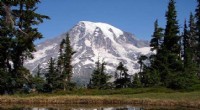
- Snowmelt: As snow accumulates during the winter season, it acts as a natural reservoir of water. When temperatures rise and spring arrives, the snow begins to melt, releasing a significant amount of water into the river systems. This snowmelt contributes substantially to the volume and flow of rivers.
- Seasonal Variation: Snowmelt typically occurs during the spring and early summer months, leading to a seasonal increase in river flow. This is in contrast to the drier periods of the year when snow accumulation and melt are minimal. The seasonal variations in river flow are strongly influenced by the snowmelt patterns.
- Storage and Release: Snow acts as a natural storage for water during winter when temperatures are too low for precipitation to fall as rain. This storage helps regulate river flow by preventing excessive flooding during the winter and providing a gradual release of water during the warmer months when water is needed for various purposes.
- Hydropower Generation: Snowmelt contributes to the availability of water for hydropower generation. Many hydroelectric power plants rely on the consistent flow of water from snowmelt to generate electricity. The timing and volume of snowmelt directly impact the power generation capacity of these facilities.
- Ecosystem Impact: Snowmelt affects the ecological health of rivers. The sudden influx of water from snowmelt can alter water temperatures, which can impact aquatic species and their habitats. Additionally, snowmelt can transport sediments and nutrients into rivers, influencing water quality and ecological processes.
- Flood Control: In areas where snowmelt occurs rapidly, it can contribute to flooding if the river systems cannot accommodate the increased water volume. Proper management of snowmelt and flood control measures are crucial to mitigate flood risks and protect communities downstream.
- Droughts: In regions with significant snow accumulation, snowmelt provides a vital source of water during dry periods. During years of low snowfall or delayed snowmelt, rivers may experience reduced flow, leading to water shortages and droughts.