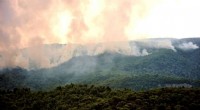
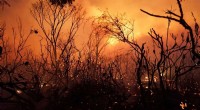
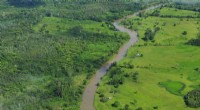
1. Land Clearing: Industrial plantations often involve extensive land clearing of natural forests and vegetation to make way for cash crops like oil palm. This process often involves slash-and-burn practices, resulting in massive releases of smoke, particulate matter, and other pollutants into the atmosphere.
2. Peatland Burning: Many industrial plantations in SEA are established on peatlands, which are carbon-rich wetlands. These peatlands are particularly susceptible to fires, and their burning leads to the release of large amounts of greenhouse gases, including carbon dioxide (CO2), methane (CH4), and nitrous oxide (N2O).
3. Biomass Burning: During land clearing and maintenance of industrial plantations,大量的生物量像木头,作物残留物,and other organic matter is burned, contributing to air pollution. This practice emits significant levels of particulate matter (PM), carbon monoxide (CO), nitrogen oxides (NOx), and volatile organic compounds (VOCs).
4. Transboundary Haze: The smoke and pollutants from industrial plantation fires often spread across borders, creating transboundary haze that can affect neighboring countries. For example, Indonesia's forest fires have been known to cause severe haze in Singapore, Malaysia, Brunei, and southern Thailand, leading to health concerns and environmental degradation.
5. Health Impacts: The air pollution caused by industrial plantation fires has adverse effects on human health. Particulate matter, especially PM2.5, can cause respiratory illnesses, cardiovascular diseases, and other health issues. Smoke and haze can also reduce visibility, leading to traffic accidents and disruptions to daily activities.
6. Impact on Climate Change: The emissions from industrial plantation fires contribute to climate change by releasing greenhouse gases into the atmosphere. These gases trap heat, leading to rising global temperatures and extreme weather events.
Efforts are being made to mitigate the impact of industrial plantation fires through sustainable land management practices, promoting responsible plantation development, stricter enforcement of environmental regulations, and raising awareness among stakeholders. However, significant challenges remain in addressing the air quality issues caused by industrial plantation fires in Equatorial SEA.