Environmental conditions: Patricia developed in an environment that was extremely conducive to tropical cyclone development. The sea surface temperatures in the eastern Pacific Ocean were unusually warm, providing ample fuel for the storm. In addition, the vertical wind shear was low, which allowed Patricia to maintain its organization.
Rapid deepening: Patricia underwent a period of rapid deepening, during which its central pressure dropped by more than 100 millibars in a matter of hours. This rapid deepening was likely due to a combination of factors, including the warm sea surface temperatures, low wind shear, and a favorable upper-level environment.
Size: Patricia was a relatively small hurricane, with a diameter of only about 100 miles. This small size allowed the storm to maintain its intensity, as there was less friction between the surface of the ocean and the atmosphere.
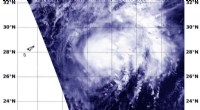
Eye: Patricia had a well-defined eye, which is a sign of a strong hurricane. The eye is a region of calm weather at the center of the storm, and it is where the pressure is lowest. The presence of a well-defined eye indicates that the hurricane is well-organized and has a strong circulation.
Favorable upper-level environment: The upper-level environment was also favorable for Patricia's development. There was a strong outflow of air at the top of the storm, which helped to keep it organized. In addition, there was a lack of dry air in the upper atmosphere, which prevented the storm from weakening.
As a result of these factors, Patricia was able to rapidly intensify into a monster hurricane.